
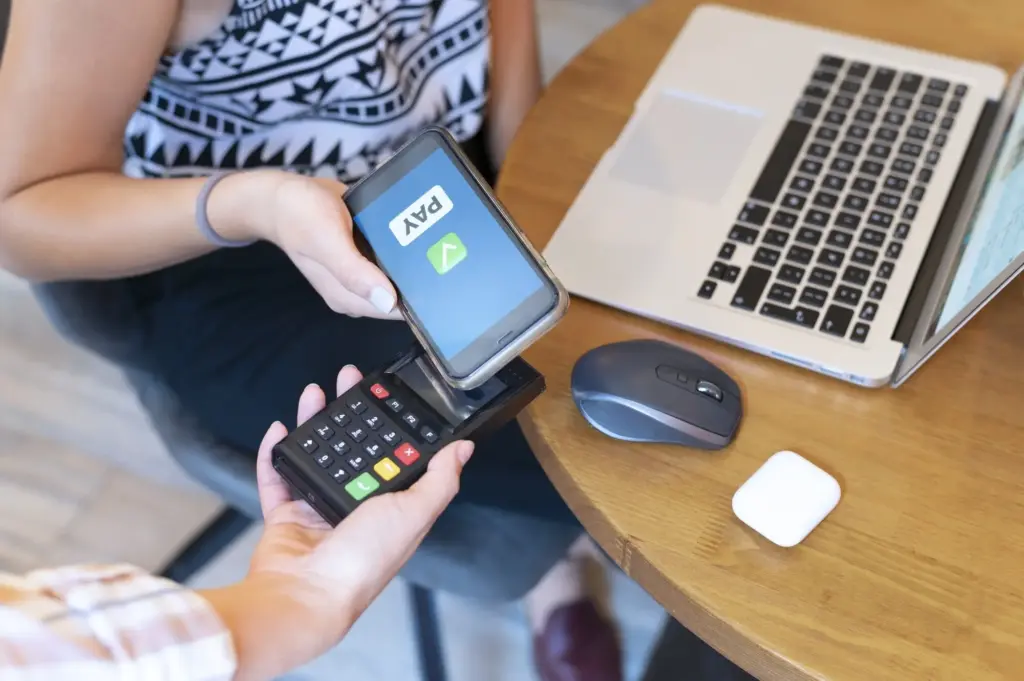

Tap, Pay, Go: Mastering Digital Wallets in Everyday Life

Today we explore choosing and using digital wallets for daily purchases, from setting up your first tap to navigating checkout lines smoothly. You’ll learn which features matter, how security actually works, and how to avoid awkward moments at the register. Expect practical stories, clear comparisons, and tips for squeezing extra value from rewards, transit, and receipts. By the end, you’ll feel confident leaving your physical wallet at home more often, without sacrificing safety, savings, or convenience.

Your First Tap: Understanding Wallet Basics

NFC, QR, and the Invisible Handshake

Near Field Communication creates a tiny, private conversation between your device and the terminal, just long enough to pass a token, not your real card number. QR codes flip the flow: the merchant or customer displays a code that directs payment details securely. Both methods rely on unique, one-time credentials that expire quickly, reducing fraud risks dramatically. Understanding these invisible handshakes helps you choose the right method when terminals, regions, or store policies differ.

Set Up in Minutes, Pay in Seconds

Adding a card usually takes a photo, a quick verification, and a test tap. The first time I used my wallet, a barista smiled as the terminal chirped, and I realized checkout anxiety had vanished. You’ll confirm billing addresses, enable biometrics, and decide which card appears first. Keep notifications on initially, so you see authorizations roll in and spot anything unusual quickly. Within a day, tapping becomes muscle memory, and even online checkouts feel delightfully shorter.

Where Your Money Actually Lives

Funds remain with your bank or issuer, while the wallet holds encrypted payment tokens tied to your device. Each purchase uses a unique dynamic code, reducing data value for attackers. Networks like Visa, Mastercard, and regional rails route authorizations, and merchants never receive your full card number. This architecture explains why replacing a phone is easier than replacing a dozen compromised cards. Think of the wallet as a secure keyring that unlocks specific doors, never the vault itself.

Safety Without Friction: Security That Feels Effortless

Strong protection shouldn’t slow you down. Modern wallets blend biometric locks, device-bound keys, and tokenization to deliver quick payments that remain highly resistant to skimming and database leaks. We will explain how on-device processing keeps fingerprints or faces local, why passcodes still matter, and what to do if your phone disappears. Equally important, you’ll learn to recognize phishing and suspicious prompts, so you stay in control without drowning in security checklists or losing precious seconds in line.

Biometrics, Passcodes, and the Human Factor

Fingerprints and face scans verify you instantly, but they never leave the device’s secure enclave. If they fail, a strong passcode stands guard, protecting your payment credentials when you’re tired, gloved, or in bright sunlight. Rotate passcodes periodically, disable easy guess patterns, and avoid sharing device unlock methods with anyone. Combine this with automatic screen lock timers and you’ll materially reduce risk from casual thefts, shoulder surfers, or misplaced phones during hectic commutes and crowded coffee runs.

Tokenization and Device-Bound Secrets

Instead of transmitting your real card number, the wallet uses a device-specific token, signed with keys stored in secure hardware. Even if a merchant database is breached, tokens cannot be reused at scale. This dramatically limits the fallout of large incidents. It also means you can quickly remove or reissue tokens without replacing your physical card. Think of tokens as disposable aliases for your card identity, unique to each device, transaction, and sometimes merchant category, keeping exposure minimal.

Lost Phone, Calm Head: Rapid Response Steps

If your device vanishes, open your issuer’s app or account portal on another device, suspend wallet credentials, and trigger location or wipe features. Because biometric checks remain required, opportunistic thieves rarely succeed. Then call transit and loyalty programs linked to the wallet to halt misuse. Finally, review recent transactions and flag anything unusual. Most providers resolve such incidents rapidly, and you’ll restore your wallet with fresh tokens. Preparation turns panic into a manageable checklist executed confidently.

Picking the Right Wallet for You

Different ecosystems shine in different places. Some prioritize deep hardware integration and offline transit performance; others emphasize broad device coverage, peer payments, and ecommerce autofill. We’ll compare features that actually matter day to day: acceptance at your local stores, rewards compatibility, budgeting tools, and international usability. You’ll also consider accessibility, family sharing, and device longevity. The best choice persuades you through convenience, not marketing, complementing your habits, cards, and merchants so paying becomes seamless everywhere you already love to shop.

Everyday Checkout Scenarios: From Groceries to Transit

Grocery Line Rhythm and Card Choice

As the cashier scans your last item, wake your device, glance at the right rewards card, and hold near the reader confidently. If the screen asks debit or credit, choose according to rewards or PIN needs. When a chip-required prompt appears mistakenly, ask to enable contactless or request a terminal reboot politely. Keep a backup physical card in your pocket for rare outages. Your calm tone helps the line, and your practiced taps keep budgets optimized.

Transit Gates and Wearable Wins

As the cashier scans your last item, wake your device, glance at the right rewards card, and hold near the reader confidently. If the screen asks debit or credit, choose according to rewards or PIN needs. When a chip-required prompt appears mistakenly, ask to enable contactless or request a terminal reboot politely. Keep a backup physical card in your pocket for rare outages. Your calm tone helps the line, and your practiced taps keep budgets optimized.

Online Checkout Without the Typing Marathon

As the cashier scans your last item, wake your device, glance at the right rewards card, and hold near the reader confidently. If the screen asks debit or credit, choose according to rewards or PIN needs. When a chip-required prompt appears mistakenly, ask to enable contactless or request a terminal reboot politely. Keep a backup physical card in your pocket for rare outages. Your calm tone helps the line, and your practiced taps keep budgets optimized.

Stretching Every Dollar: Rewards, Budgets, and Receipts

With the right setup, digital wallets become silent financial assistants. They nudge you toward higher-earning categories, attach receipts to transactions, and centralize your spend history in formats easy to export or analyze. We’ll focus on practical wins: how to rotate bonus categories, reconcile split payments, and keep family purchases transparent. Expect stories of tiny adjustments—like switching a default card on grocery days—that compound into surprisingly large annual returns. The goal is smooth savings without spreadsheet obsession.

Troubleshooting, Edge Cases, and Checkout Etiquette

Even smooth systems hiccup. A terminal reboots mid-transaction, your phone battery dips into red, or the network stalls during peak hours. Preparation prevents awkward scrambles. We’ll share scripts for politely asking cashiers to enable contactless, show fallback strategies for low-signal stores, and outline steps for duplicate pending charges. Mastering practical etiquette—like stepping aside to resolve issues—keeps lines friendly and stress low. Problems become brief detours, not showstoppers, preserving confidence for the next effortless tap.

Dead Battery, Not a Dead End

Plan a layered fallback: a slim physical card, an offline transit card, and a tiny battery bank for marathon days. Some watches maintain wallet access even when the paired phone dies, so test your wearable’s independence. If everything fails, breathe, explain briefly, and offer another method without drama. Protect your passcode from helpful strangers leaning too close. Treat each hiccup as a rehearsal, and you’ll steadily shorten recovery time until disruptions barely register as inconveniences.

Reader Quirks, Beeps, and Tap Targets

Not all terminals are equal. Some expect you to hold steady for a full second; others prefer a quick hover. Look for the contactless icon and avoid metal cases that dampen signals. If declines persist, switch payment networks or try chip as a diagnostic step, then return to contactless afterward. Keep receipts when messages seem contradictory. Learning local terminal personalities—yes, even that stubborn pharmacy kiosk—pays dividends, turning odd beeps into understandable feedback rather than confusing, anxious moments.

Grace Under Pressure: Social Cues Matter

When lines grow, reduce chatter with the device. Pre-select your card, confirm amount swiftly, and step aside to bag items. If a cashier asks to reattempt, respond cheerfully and follow their prompts. Offer QR or swipe gracefully if contactless misbehaves. Your demeanor sets the tone for everyone behind you, and small courtesies often elicit patient smiles. Smooth payments are partly technical, partly social choreography, and kindness remains the ultimate compatibility layer across every checkout culture you’ll encounter.

Beyond Borders and Into Tomorrow

Digital wallets keep evolving. Across borders, acceptance varies, fees sneak into currency conversions, and offline-capable transit cards sometimes outperform open-loop taps. Looking ahead, passwordless checkout, digital IDs, and even central bank digital currencies will influence what happens at the point of sale. We’ll explore realistic timelines, traveler checklists, and how to future-proof your setup without chasing hype. The smartest strategy blends present-day reliability with a watchful eye on upgrades that genuinely reduce friction or meaningfully enhance privacy.

Passwordless Checkouts and Passkeys

Passkeys replace clunky passwords with device-bound cryptography, streamlining sign-ins for shopping sites and wallet-linked services. Combined with tokenized payments, this slashes phishing risk and abandoned carts. Expect more one-tap purchases that still require biometric confirmation. As merchants modernize, you’ll see fewer forms, faster confirmation screens, and stronger default security. Start by enabling passkeys where offered, verifying recovery options, and syncing across devices. This quiet shift transforms both security and convenience without demanding constant vigilance from busy shoppers.

Digital IDs, Age Checks, and Boarding Gates

Emerging digital IDs promise verified attributes—like age or residency—without exposing full identity. Picture buying age-restricted goods or boarding flights with a privacy-preserving confirmation stored alongside your payment credentials. The convenience is tantalizing, yet governance and interoperability must mature. Until then, keep traditional documents handy, and watch pilots in airports and retail experiments. When standards stabilize, integrating ID and payment may cut queues dramatically while returning control of personal data to the person who actually owns it.

Travel Smart: Fees, Acceptance, and Offline Plans

Before traveling, add a no-foreign-fee card and test contactless on local transit simulators or city guides. Acceptance can vary by country, brand, or even neighborhood. Carry one chip card and a small amount of cash. Download essential passes for offline use, and store support numbers in a notes app. After arrival, try a small purchase to confirm behavior. Tiny preparations neutralize surprises, ensuring your digital wallet remains a trusted companion rather than an experimental gamble during important journeys.
Tavoravonexozavofexo
Privacy Overview

This website uses cookies so that we can provide you with the best user experience possible. Cookie information is stored in your browser and performs functions such as recognising you when you return to our website and helping our team to understand which sections of the website you find most interesting and useful.