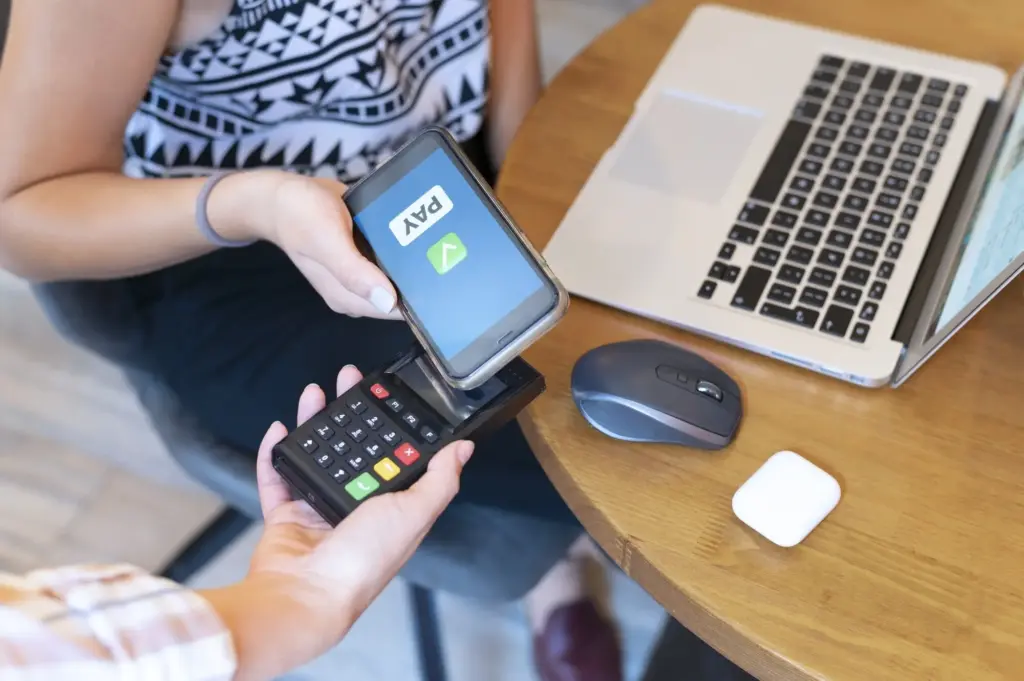
Guard Your Money On The Move

Today we focus on staying safe in mobile banking, sharing practical security habits for busy users who juggle errands, commutes, and constant notifications. Learn quick, repeatable routines that protect accounts, simplify decisions, and keep money moving confidently no matter where your day takes you. Share your quick wins and questions to help others stay vigilant.

Everyday Defenses That Actually Fit Your Schedule

Small, reliable habits beat complicated setups when schedules are tight. Replace guesswork with a ninety-second checklist: unlock with biometrics, confirm app updates, glance at transaction alerts, and use a password manager for strong, unique passcodes. These tiny moves make mobile banking safer without slowing you down, and they build muscle memory that holds up during hectic mornings.

Spotting Traps Before You Tap

Scammers exploit attention overload with urgent messages, tiny typos, and fake login pages. Learn patterns: unsolicited refunds, password resets you did not request, and requests for codes. Real banks will not ask for your PIN by text. Verify independently, breathe, and act only after confirming identities.

Reading Messages Like An Investigator

Inspect sender domains, preview full URLs, and expand masked email headers on mobile. Compare message wording with prior legitimate bank communications. When in doubt, open the bank app directly rather than following links. Save suspicious content as evidence, then report it through official channels for takedown.


Voice Calls And The Callback Rule

Caller ID can be spoofed. If someone pressures you to move money or share codes, end the call politely. Dial the number on the back of your card or in the app. Real agents respect callbacks and documented, verified case numbers.

QR Codes, Attachments, And Tiny Ambushes

Treat unexpected barcodes and files as untrusted. Malicious QR codes can redirect to credential traps, and attachments may drop malware. Use your bank’s app scanner when provided, verify context with the sender, and never install updates prompted by random popups or unfamiliar websites.

Lock Down The Device, Shrink The Risk

Your phone is the keyring to money, identity, and sensitive messages. Keep the operating system and banking apps updated, avoid sideloading, and enable device encryption. Shorten auto-lock, review app permissions monthly, and don’t jailbreak or root. These steps dramatically reduce attack surface without adding friction.

Connections You Can Trust When You’re Out

Networks differ wildly in safety. Prefer cellular data for sensitive actions, or use a reputable VPN you control. Change default DNS to a provider offering phishing protection. Turn off auto-join for open hotspots, and forget networks you no longer need to minimize silent reconnections.

Payments, Limits, And Smarter Controls

Instant transfers are convenient and unforgiving. Use bank tools to create speed bumps: per‑transaction limits, card freezes, geo‑controls, and real‑time alerts. Confirm payee details through a second channel. When traveling, lower limits and enable travel notices so fraud detection understands your new patterns faster.

If Something Feels Wrong, Act Fast

Mistakes happen, even to experts. A clear playbook turns panic into momentum: freeze cards, change passwords, deauthorize devices, and call the bank through the app. Capture timelines and screenshots, file official reports, and follow up in writing. Quick action dramatically limits losses and speeds remediation.
Tavoravonexozavofexo
Privacy Overview

This website uses cookies so that we can provide you with the best user experience possible. Cookie information is stored in your browser and performs functions such as recognising you when you return to our website and helping our team to understand which sections of the website you find most interesting and useful.